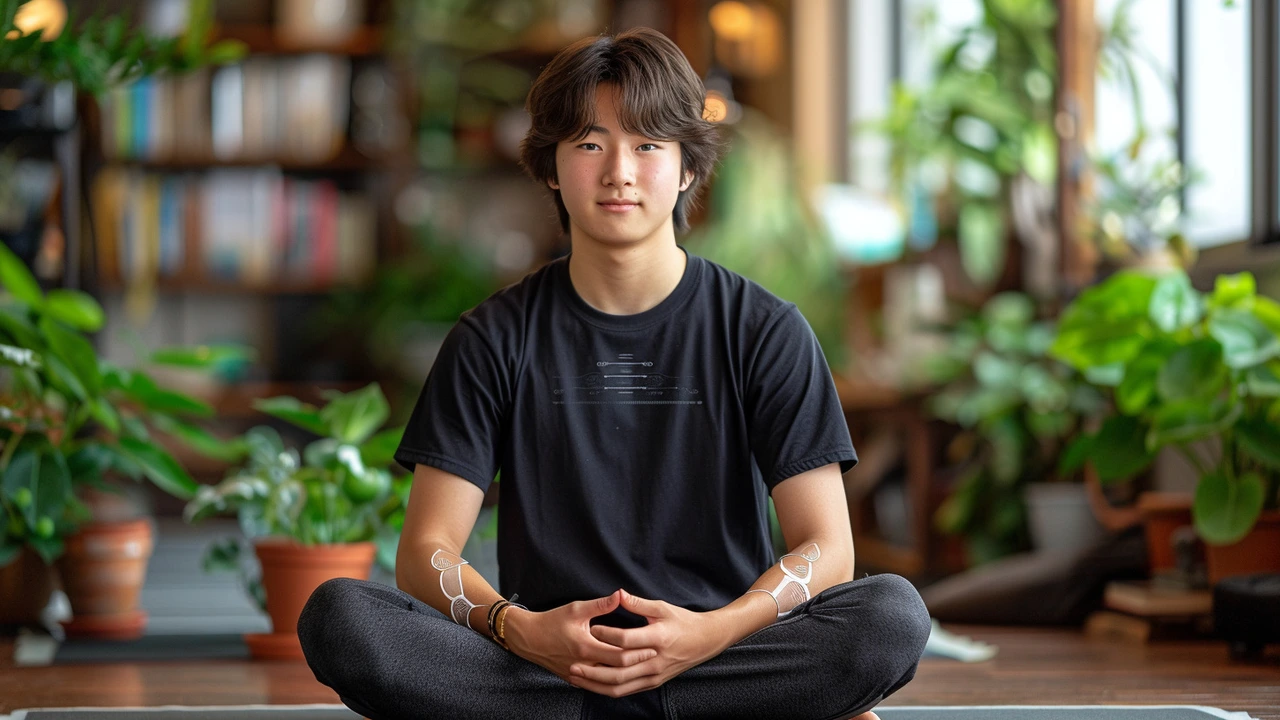
Biofeedback: Take Control of Your Body’s Signals for Better Health
Have you ever wished you could tap into your body’s inner signals and actually do something about them? That’s exactly what biofeedback lets you do. It’s a technique where sensors track things like your heart rate, breathing, or muscle tension and feed that info back to you in real-time. With this info, you learn how to calm your mind and body when stress hits or even manage chronic pain without relying solely on medications.
Biofeedback isn’t some new-age fad—it’s rooted in science and supported by health professionals worldwide. People use it to handle anxiety, migraines, high blood pressure, and sleep problems, among others. The neat part? You get direct feedback, so you know what’s working instantly and can adjust your relaxation techniques right there.
How Does Biofeedback Work in Everyday Life?
Imagine you’re feeling stressed and your muscles are tight. A biofeedback device might show you exactly when your muscles tense up and when they relax. Seeing those signals helps you connect the dots between your thoughts and physical responses. You might practice deep breathing, progressive muscle relaxation, or guided imagery while watching how your body reacts. This real-time awareness trains your brain to tune into those signals and reverse the stress response more easily over time.
You don’t need to be an athlete or patient to use biofeedback either. Many people incorporate it into daily routines to boost mindfulness and self-regulation. If you struggle with tension headaches or simply want to sleep better, learning to monitor and adjust your body’s reactions can be a game changer.
Tips for Getting Started with Biofeedback
Starting out with biofeedback is simpler than you might think. There are user-friendly devices available that connect to your smartphone or computer, giving clear visual or audio feedback. If you’d prefer guidance, working with a trained therapist can teach you targeted techniques that suit your needs.
Keep these points in mind:
- Be patient. Learning to control automatic body responses takes practice.
- Use biofeedback as a tool alongside healthy habits like good sleep, nutrition, and exercise.
- Start with one symptom or goal, such as easing stress or reducing headaches, to keep it manageable.
- Notice how small shifts in breathing or muscle tension affect your overall feeling.
Biofeedback gives you a unique chance to understand your body better and step into a more balanced, health-aware lifestyle. If stress or discomfort often feels out of your control, this technique shows that your body is speaking—and you can learn to listen and respond effectively.