The Art of Setting and Achieving Health Goals: A Practical Guide
Learn how to set realistic health goals and stick to them using psychology-backed strategies. Discover micro-habits, environment design, and tracking methods for lasting wellness.
Looking to improve your health but not sure where to start? Health and wellness don’t have to be complicated. Whether you want to reduce stress, eat better, or find more balance, small habits can make a big difference.
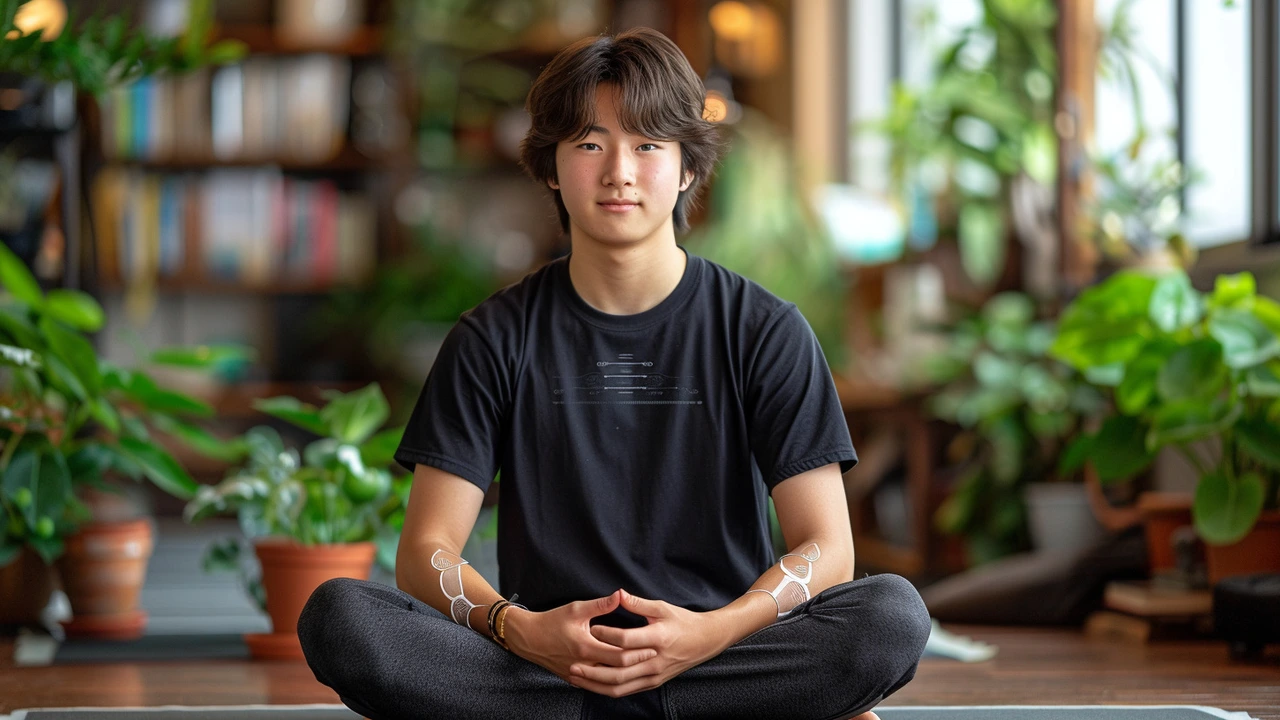
One of the easiest ways to boost your wellness is learning to relax. Stress sneaks into every corner of life, but techniques like deep breathing and mindfulness can help you calm your mind whenever things get overwhelming. For example, spending a few minutes outside focusing on your breath or your surroundings can melt away tension fast.
You might not realize it, but your gut plays a huge role in feeling good every day. It's often called the body's second brain because it affects digestion, immunity, and even mood. Simple changes like adding probiotics to your diet or eating more fiber-rich foods can help your digestive system work smoothly. This means more energy and fewer digestive problems.
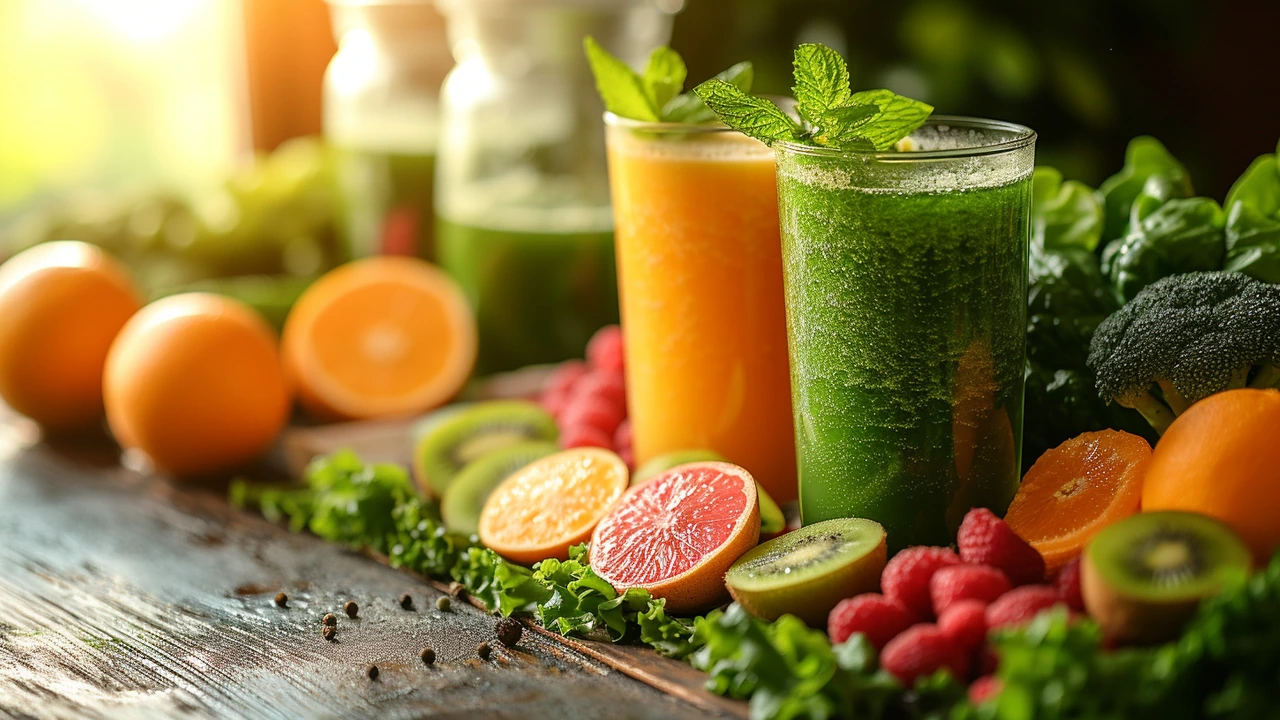
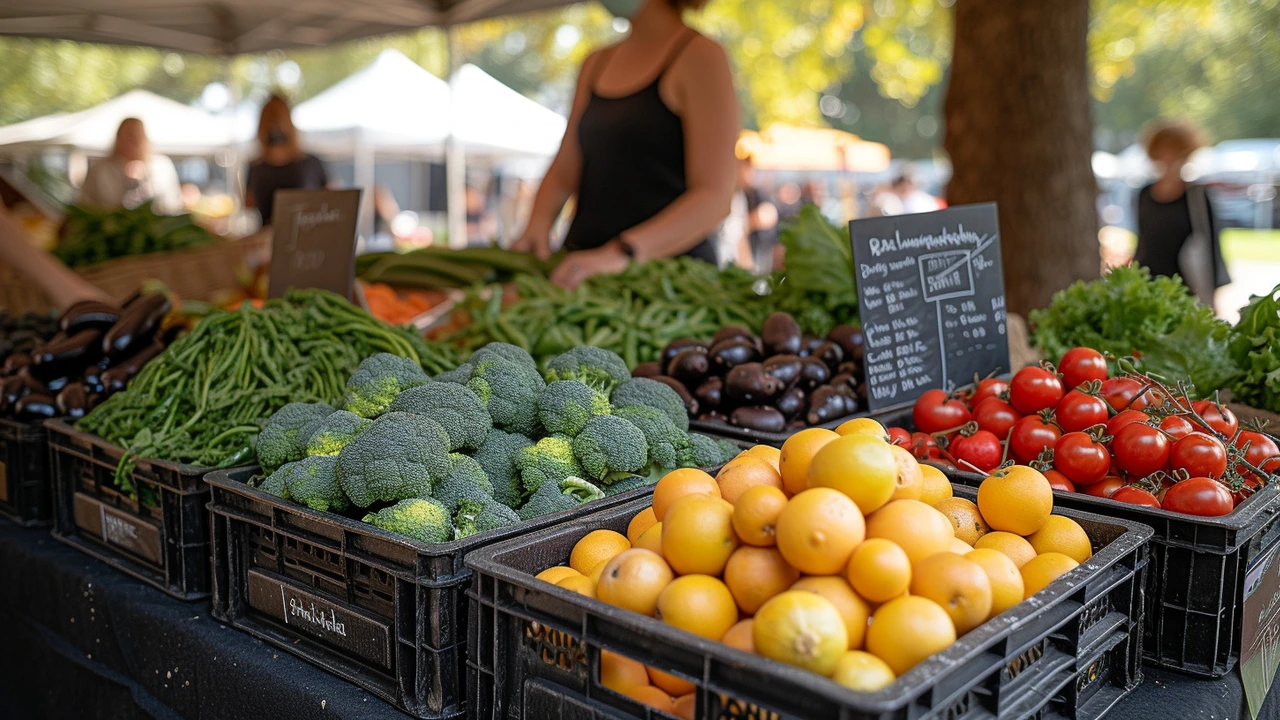
What you eat fuels your whole body. Healthy snacks like nuts, fruits, or veggie chips are easy choices to keep your energy steady without the crash that comes from sugary treats. Skipping breakfast? That’s a missed chance to set your metabolism right and stay focused throughout the day. Aim for balanced meals that mix proteins, fats, and carbs instead of quick fixes.
Mixing these tips with regular physical activity and good sleep can transform how you feel. You don’t need drastic changes—just start simple and build from there. Taking care of yourself means feeling better physically and mentally, and it all adds up with everyday choices.
Learn how to set realistic health goals and stick to them using psychology-backed strategies. Discover micro-habits, environment design, and tracking methods for lasting wellness.
Learn how to set realistic health goals using SMART criteria and habit stacking. Discover why most people fail and how to create sustainable lifestyle changes that last.
Discover the truth behind detox trends. Learn how your liver and kidneys naturally filter toxins and why whole foods, hydration, and gut health offer real benefits without expensive supplements.
Effective health goals aren't about big numbers or quick fixes. They're built on science: identity, tiny habits, and environment. Learn how to set goals that stick by focusing on behavior, not outcomes.
Biofeedback is a science-backed, drug-free method for managing chronic pain by teaching your body to regulate stress responses. Used for migraines, fibromyalgia, and back pain, it helps people reduce reliance on medication and regain control.
Meditation doesn't burn calories, but it can help you lose weight by reducing stress, curbing emotional eating, and teaching mindful eating habits. Science shows it works better than diets for long-term results.
Learn how biofeedback works, pick the right modality, choose devices, and apply step-by-step protocols to boost performance and manage stress.
What biofeedback helps, who it’s for, and how to choose the right type. Evidence, costs, risks, and a step-by-step plan to start in 2025.
Biofeedback puts the power of your body’s signals in your hands—learn how science-backed biofeedback techniques can help you relax, manage stress, and improve health.
Unlock better living through proven relaxation techniques. Learn practical strategies to reduce stress, boost health, and find everyday calm.